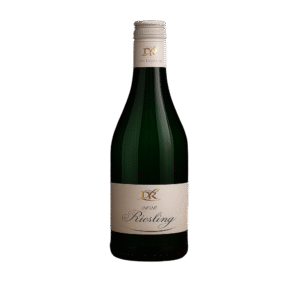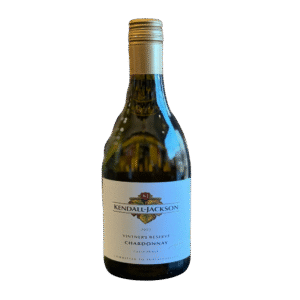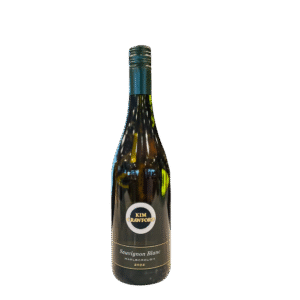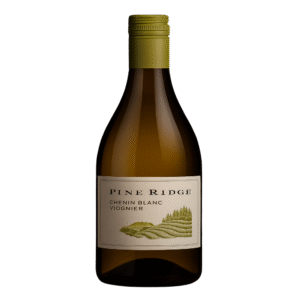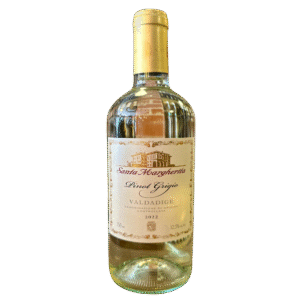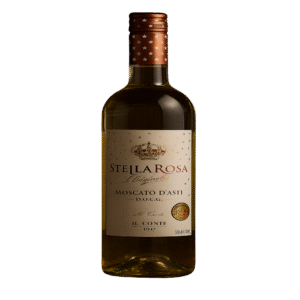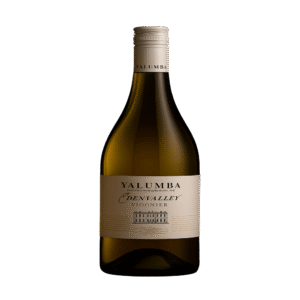
Buy White Wine online and access the world’s most diverse, food-pairing-versatile, and terroir-transparent wine category Chardonnay, Sauvignon Blanc, Riesling, Pinot Grigio, and Burgundy Blanc expressions from the finest producers across France, Italy, Germany, New Zealand, and California, all sourced from authorized importers and shipped directly to your door. Checkout is fast, every bottle is sourced from verified inventory, and the full range from crisp everyday pours to serious age-worthy collector whites is ready to browse right now. Scroll through the complete White Wine collection in the grid below and add your bottle to cart today.
The Legacy of White Wine
White wine’s documented production history stretches back nearly as far as red wine’s archaeological evidence of white grape cultivation and fermentation has been identified at sites in Georgia, Armenia, and the ancient Near East dating to approximately 5000 BCE, establishing white wine as a parallel rather than derivative tradition to the red wine production that developed across the same geographic region during the same period. The ancient Greeks identified the distinction between white and red wine production with sufficient precision to develop separate vocabulary, storage protocols, and serving conventions for each style, and the Romans expanded white wine cultivation deliberately across the cooler northern reaches of their empire the Rhine and Moselle river valleys of modern Germany, the Loire Valley of France, and the Alpine foothills of northern Italy where the climate was too cool and the growing season too short to ripen red grape varieties to adequate sugar levels but produced white grapes of extraordinary aromatic intensity and natural acidity. Those Roman viticultural decisions established the geographic footprint of the world’s greatest white wine regions with a precision that two thousand years of subsequent observation has only confirmed Burgundy’s Côte de Beaune, the Mosel’s steep slate slopes, the Loire’s Touraine and Anjou appellations, and Alsace’s grand cru hillsides all occupy the same cool-climate, minerally distinct terroir corridors that Roman agriculturalists identified as suited to white grape cultivation nearly two millennia ago.